The Ticking Inferno on Rue Layoune: Unregulated Street Gasoline Vendors in Beni Mellal and Morocco's Overlooked Security Vulnerabilities
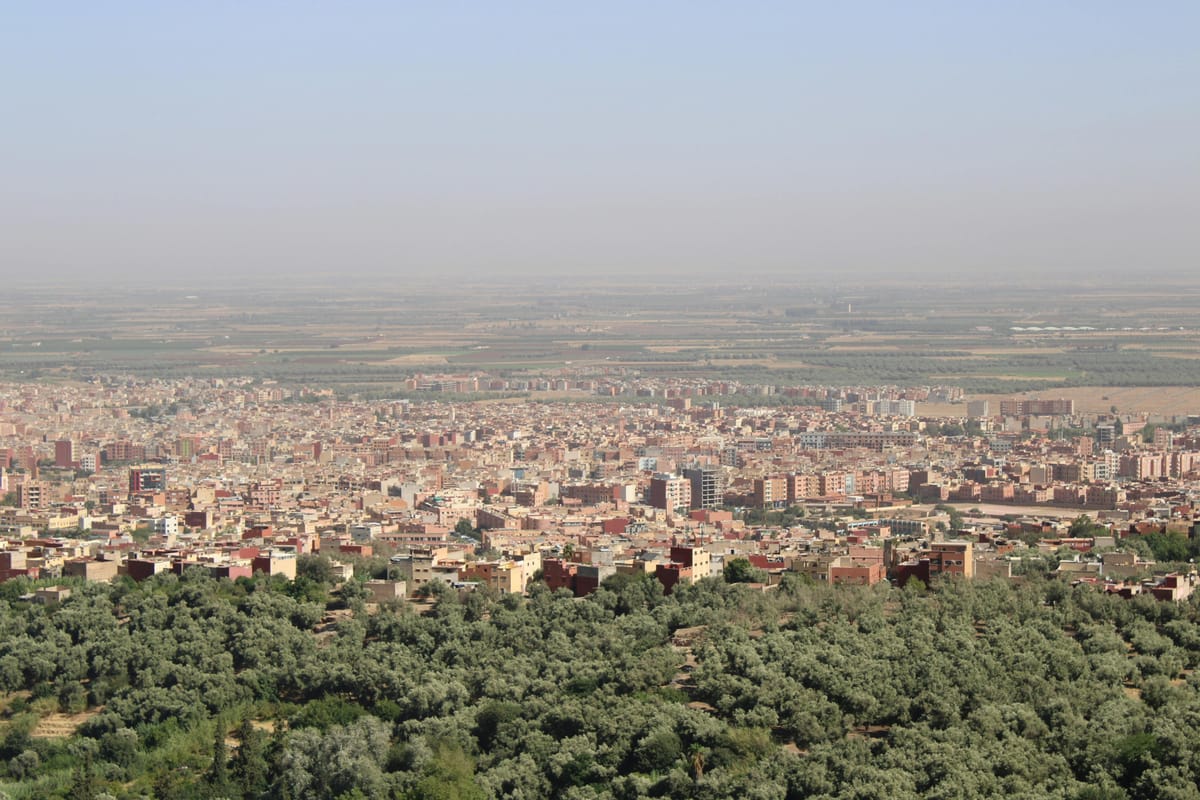
In the heart of Beni Mellal, Morocco on the busy stretch of Rue Layoune, a daily ritual plays out that most locals take for granted: three or more street vendors clustered together, each stocking 30 to 40 liters—or sometimes more—of highly flammable gasoline in plastic jerrycans (and occasionally glass bottles). The containers sit right beside them, crammed into makeshift wooden boxes or stands, while the sellers perch on the very edge of the road. These vendors, typically men in their 40s or older, draw from years of experience but operate without any formal safeguards. The visible stock alone is alarming, but it naturally raises questions: with that much fuel at each stand, do they keep even larger hidden reserves at home or nearby? This chaotic intersection pulses with life: motorbikes dart through constantly, poorly maintained cars drag exhausts that spit sparks, transport vehicles haul loads of wood and plastic goods, and crowds shop at nearby stalls. Outdoor grills sizzle at a roadside restaurant, a local donut maker fries treats over open flames, carpenters work in adjacent workshops, and furniture stores stockpile highly inflammable products like foam cushions, varnished wood, and upholstery—all packed close together in a tinderbox of urban density. One side of the street drops below grade level, creating a natural basin for any spill. Poor lighting after dark only adds to the hazard, yet these vendors stay open late—often past 9 PM in winter, and even longer during the five-month summer when temperatures hover above 40°C for days on end.
This isn't harmless street commerce. It's a volatile mix that could erupt into catastrophe at any moment, with implications for public safety, national security, social stability, and Morocco's international standing. Viewed through a Morocco-U.S. security lens—where shared priorities in counterterrorism and regional stability are paramount—this practice represents a serious vulnerability that demands attention before it becomes a crisis.
The Immediate Physical Threat: A Powder Keg in Plain Sight
The sheer volume per vendor—30–40 liters or more, with the strong likelihood of additional off-site stockpiles—turns each stand into a mini fuel depot. Plastic jerrycans, prone to static buildup and melting under heat, hold volatile vapors that expand dramatically in Beni Mellal's extreme summer temperatures. At 40°C+, gasoline doesn't need an open flame to ignite; vapors alone can flash explosively. The lower-grade side of the street acts like a deadly trap: heavier-than-air vapors sink and pool there, ready to ignite and roll downhill in a fireball.
Human factors make it worse. Many vendors smoke casually, flicking ash or lighting up inches from their stock. Customers idle engines while waiting, hot exhaust pipes glowing red near plastic containers. Sparks from dragging exhausts or minor collisions at this busy intersection are routine. With three vendors always present, the total fuel load multiplies the blast potential—enough to spray burning liquid across a wide radius. Nearby open flames from grills and donut fryers provide constant ignition sources, while the dense cluster of flammable goods (wood from carpenters, foam and varnish from furniture stores) ensures any fire spreads rapidly into a block-wide inferno. Poor nighttime lighting heightens risks after dark, when vendors persist serving a steady flow of motorbikes and late shoppers.
A single mishap—a dropped cigarette, a bike tipping a jerrycan against a hot exhaust, a spark from a passing truck—could kill or injure dozens in seconds, overwhelming local emergency services with mass burn casualties and long-term health burdens from chronic fume exposure.
Security and Terrorism Vectors: Anonymous Fuel for Malicious Ends
Beyond accidents, this setup is a logistical windfall for threats. Untraceable cash sales of large volumes (30–40+ liters per vendor) allow bad actors to stockpile fuel without tripping surveillance at formal stations—potentially drawing from vendors' hidden reserves at home or nearby. In a country where Moroccan security services (DGST, DGED) routinely disrupt extremist plots, this anonymity could supply precursors for vehicle-borne improvised explosives or other attacks—quietly accumulated over days from multiple stands. The late-night operations in dim lighting offer cover for discreet pickups, blending into the normal bustle.
Crime risks compound: Turf disputes among clustered vendors could escalate into violence or protection rackets. The high-traffic intersection invites opportunistic theft or sabotage, while the overall chaos erodes community trust and could fuel petty crime waves. Some local authorities might even be aware of these operations, quietly tolerating them or using the vendors—many of whom are established figures in their 40s or older—as informal "indicators" to report on local goings-on. But if that's the case, it's a flawed calculus: the risks far outweigh any short-term intel gains, as complacency could enable the very threats they're meant to monitor.
Social and Economic Flashpoints
These vendors highlight economic desperation—subsidized fuel diverted from formal channels, sold cheaply to motorbike-dependent workers from low-income communities. A crackdown, even if it doesn't immediately spark unrest, would be badly received. The vast and growing number of motorbike users—many from the same low economic class—see these vendors as providing a vital, affordable service that formal stations often don't match in price or convenience. For local authorities, confronting this head-on carries a heavy political price: alienating a large, visible segment of the population that relies on this informal lifeline. It's easier to leave the issue to the central government, kicking the can down the road while the hazard quietly grows.
Damage to Tourism, Investment, and Geopolitical Standing
For Morocco, competing globally for tourists and FDI, this scene is toxic. Tourists rarely buy from these vendors—they stick to formal stations—but the visual of middle-aged sellers perched amid jerrycans, sparks, and flames at a bustling intersection still screams "unsafe." A viral video about such a setup could deter visitors, generating negative headlines. Adulterated fuel risks stranding tourists with engine failures, amplifying negative reviews. Regional rivals could amplify these images to portray Morocco as unstable, undermining diplomatic and economic gains.
Practical Steps to Defuse the Risk
Resolution demands nuance—harsh enforcement alone could backfire. A multi-layered response:
- Urgent Relocation: Ban fuel sales in dense zones like Rue Layoune. Move vendors to designated, safer sites on the city outskirts with concrete pads, fire barriers, extinguishers, and strict no-smoking enforcement.
- Formalization with Safeguards: Encourage cooperatives for vendors, supplying certified storage, training, and tracking to bring them into regulated channels—accounting for potential off-site stockpiles.
- Mobile Alternatives: Deploy state-backed micro-stations—tracked, safe kiosks that fill the niche without the hazards.
- Infrastructure Fixes: Upgrade lighting, add speed bumps to curb sparks/collisions, and install vapor sensors in dim areas.
- Economic Relief: Reform subsidies with smart cards for low-income riders, reducing black-market demand.
- Monitoring: Involve security agencies to watch for unusual patterns or terror links, avoiding over-reliance on vendors as informal sources.
Places like Nigeria (jerrycan sellers in traffic causing deadly fires), Venezuela (scarcity-driven illicit trades fueling crime), and parts of Egypt (rural informal setups) show this isn't unique—but Morocco's tourism ambitions and regional role make inaction costlier.
Rue Layoune isn't just a street—it's a warning. In an allied nation focused on stability, addressing this now prevents a tragedy that could ripple far beyond Beni Mellal. Vigilance starts with seeing the spark before it ignites.